
Why Rare Comics Attract Investors as Well as Collectors
The comic book market has changed. What was once a niche hobby for superfans has grown into a legitimate alternative asset class, with rare editions fetching seven figures at auction. A CGC 9.0 copy of Superman #1 sold for a record-setting $9.12 million in November 2025, shattering the previous record of $6 million set just eighteen months earlier. That is not collecting. That is serious money.
But here is the question every collector eventually asks: am I a collector or an investor? The answer matters, because the two mindsets demand different strategies, different budgets, and different expectations.
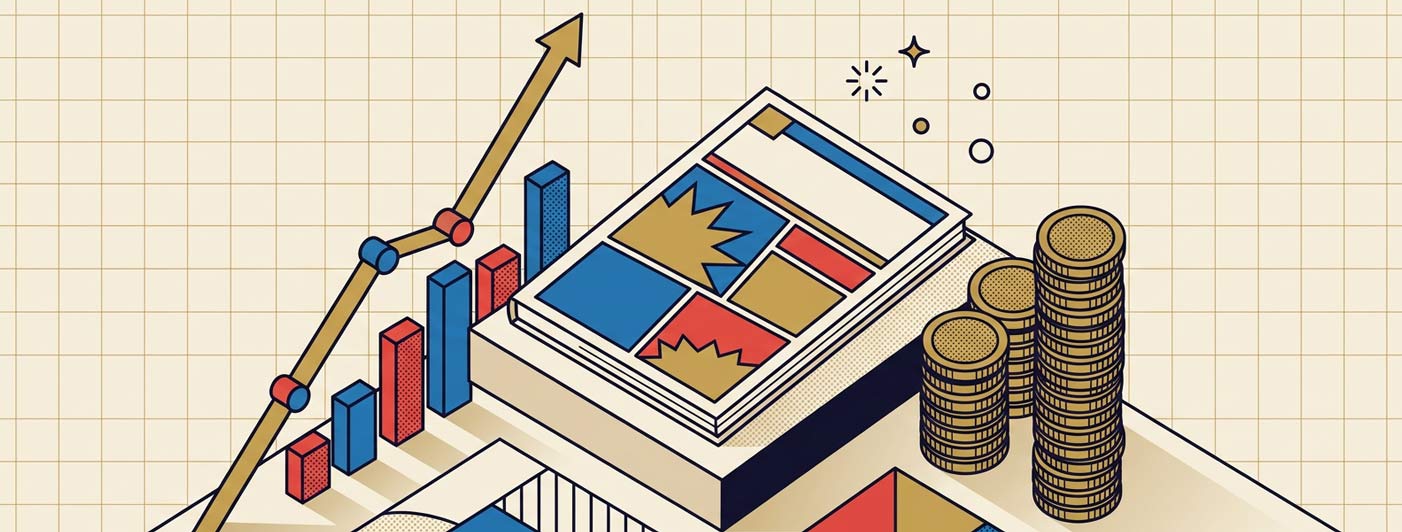
Collecting vs Investing
The distinction is simple in theory and blurry in practice. A collector buys what they love. An investor buys what they think will go up. The collector holds for the joy of ownership. The investor holds for the exit.
| Collector | Investor | |
|---|---|---|
| Buys | What they love | What they think will rise |
| Holds for | The joy of ownership | The exit |
| Success looks like | Enjoyment | A return |
Vincent Zurzolo, president of ComicConnect and one of the most respected figures in the industry, puts it plainly:
If you loved comics as a kid, or if you’re plugged into pop culture, this is one investment you can genuinely enjoy. There’s room in the market for everyone. You don’t need a big budget to make some solid investments.
Vincent Zurzolo, ComicConnect
The data backs up the optimism. The global comic book market was valued at roughly $12.55 billion in 2025 and is projected to reach $19.60 billion by 2032, a compound annual growth rate of 6.57%. Other estimates put the market as high as $18.92 billion in 2025, with projections reaching $26.88 billion by 2031. Either way, the trend is upward.
But growth does not mean easy money. The pandemic-era comic boom of 2020 to 2022 was followed by a post-boom bear market from 2023 to 2025. Collectors who bought at the peak watched values drop. Investors who bought at the peak watched their portfolios shrink. The distinction between collecting and investing became painfully clear.
What Makes an Asset Desirable
Not every comic appreciates. Not every variant cover becomes a key issue. The books that hold or grow value tend to share certain traits.
First appearances matter most. Action Comics #1 (Superman), Detective Comics #27 (Batman), and Amazing Fantasy #15 (Spider-Man) are the blue chips of the hobby. They hold steady demand even in the worst market conditions. The Big Spenders Club CPI, which tracks 34 of the most valuable comics of all time, eked out a 1.16% gain in 2025. Not a thrilling return, but a reminder that the most significant books hold value.
Condition is everything. A comic stored improperly can lose 50 to 70% of its value compared to a well-preserved copy. Grading services like CGC have reshaped the industry, with more than 20 million collectibles certified since 2000. A 9.8 grade commands a premium that a 9.0 simply cannot touch.
Cultural relevance drives demand. The spread of comic book adaptations across film, television, and gaming has pushed the audience far beyond traditional readers. More people know these characters than ever before, and many want to own a physical piece of where it all began.
But here is the catch: popularity can be fleeting. A huge amount of money trades hands on first appearances tied to rumored movie projects, and when those projects get scrapped or delayed, the value of the underlying books can plummet.
Price Volatility
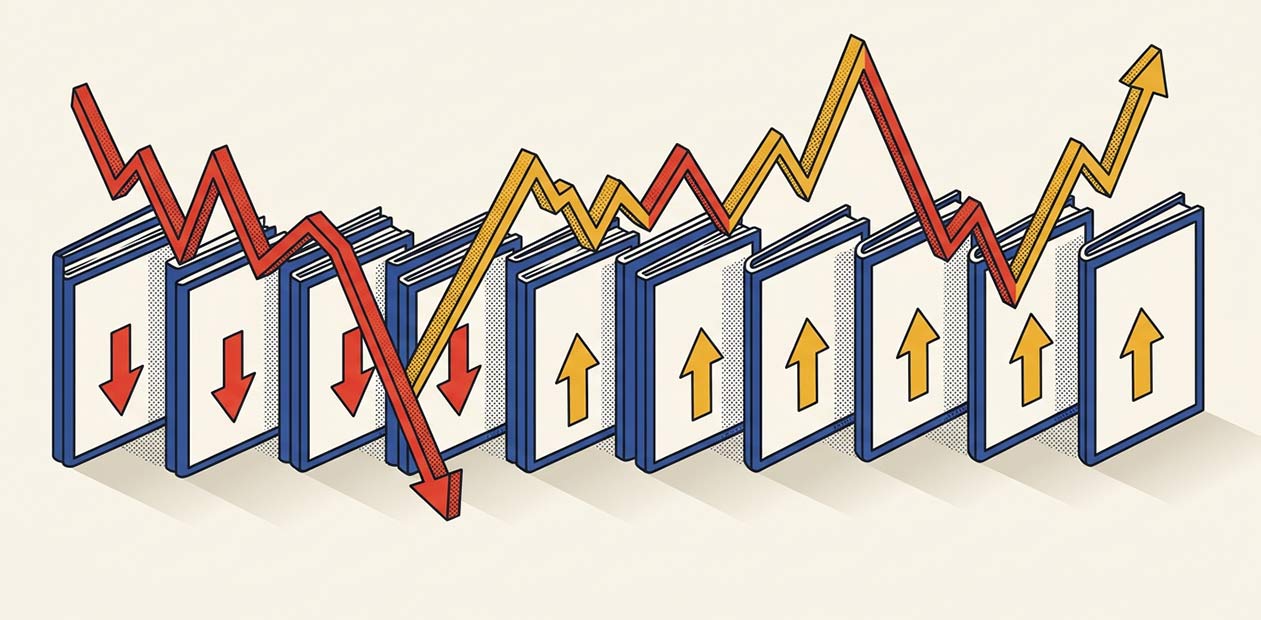
The comic book market is not a smooth ride. It is a roller coaster.
GoCollect’s Collectible Price Indexes, which work like the S&P 500 for comics, tell the story clearly. In 2025 the gainers and losers split hard.
| Index or key issue | 2025 change |
|---|---|
| Invincible #1 | +66% |
| Detective Comics #880 | +35% |
| The Walking Dead #1 | +15% |
| Modern Age CPI | +2.36% |
| Big Spenders Club CPI | +1.16% |
| Werewolf by Night #32 | -9% |
| Incredible Hulk #181 | -11% |
| Giant-Size X-Men #1 | -17% |
| New Mutants #98 | -20% |
| Copper Age CPI | -5.34% |
| Bronze Age CPI | -6.66% |
These are not obscure books. These are key issues that collectors have chased for decades. And they lost value in a single year.
Market volatility is a real drawback. The value of comic books moves with shifting pop-culture trends, changes in collector interest, and economic conditions, which makes it less predictable than traditional investments. Interest rates matter too. When returns on safer options like money market accounts or CDs rise, speculative assets have to compete harder.
Even the top of the market is not immune. A pre-code horror comic that reached $14,400 in 2021 has seen each later sale drop in value. The market is cyclical. The question is not whether prices will go up, but whether you can afford to wait.
Other Markets People Speculate On
Comic books are not the only game in town. Collectors and investors move between categories, chasing returns wherever they appear. Here is how the main ones moved in 2025.
| Market in 2025 | Move or scale |
|---|---|
| S&P 500 | About +14% |
| Sports memorabilia | ~$33B, projected past $271B in a decade |
| Crypto market cap | About -9% ($3.2T to $2.9T) |
| Bitcoin | About -6% |
| Ethereum | -11% |
| Solana | -36% |
Stocks — Steady but Volatile
Stocks remain the baseline, and the S&P 500 outpaced most comic book indexes in 2025. But stocks carry their own volatility. The April 2025 tariff tantrum saw global markets sell off sharply, and 2026 is expected to bring more turbulence. The VIX, a measure of market fear, is projected to rise 2.2% in 2026 after surging 22.3% in 2025.
Cryptocurrency — Speculation on Steroids
Cryptocurrency is a different beast. The total crypto market cap fell from an October all-time high of $4.3 trillion, wiping out over $1 trillion in capitalization in just a few months, with February 2025 alone down 20.2%. Crypto is not investing. It is speculation on steroids.
Sports Memorabilia — Records and Hype
Sports memorabilia has seen explosive growth. A signed Michael Jordan and Kobe Bryant double Logoman card sold for nearly $13 million in August 2025, and a Messi rookie card fetched $1.5 million the same year. The sports trading card market is projected to grow at a 9.3% CAGR through 2034. But like comics, it runs on hype cycles, player performance, and cultural trends.
Online Casinos — Entertainment, Not Investment
Online casinos occupy a different space entirely. Unlike stocks, crypto, or collectibles, online casino gaming is not an investment. It is entertainment that involves financial risk. The distinction matters. When you buy a comic, you own a physical asset that can be held, displayed, and sold. When you play at an online casino, you are paying for the experience, the thrill, the atmosphere, the chance to win, with no underlying asset to show for it. In Canada, provincial regulators and federal authorities have recently raised concerns over money-laundering risks tied to the casino sector, with online gambling flagged as a growing area of scrutiny. Online gambling in all forms is connected to financial hardship. It is not a portfolio strategy. It is a leisure activity with a house edge.
The common thread across all these markets is risk. Stocks can crash. Crypto can collapse. Sports cards can cool off. Comics can lose half their value in a year. The difference is that comic books, at their best, offer something the others cannot: the joy of ownership, the thrill of the hunt, and a connection to stories and characters that matter.
Setting Expectations
Comic books are serious, solid investments, according to Zurzolo.
The market is strong and diverse, with comics from various genres and time periods appreciating in value. And when times are uncertain, tangible investments like comic books can be especially appealing.
Vincent Zurzolo, ComicConnect
But serious does not mean safe. The market is volatile. Liquidity is lower than stocks or crypto, since you cannot sell a comic at the click of a button. Finding the right buyer takes time. Auctions take time. Grading takes time. Storage costs money. Insurance costs money.
Long-term investors should pick comics that have shown slow, steady growth, such as pre-1985 books. Short-term investors should look for books just starting to get hot and be ready to sell quickly. Diversify across publishers, genres, and eras.
And above all, know why you are buying. If you are buying for passion, the market does not matter. If you are buying for profit, the market is everything.
The pandemic-era speculators who banked on ridiculous returns may have finally capitulated, letting things reset at a more reasonable level. That reset creates opportunity for those who understand the difference between collecting and investing.
Comics can make you money. They can also lose you money. The key is to go in with your eyes open, your expectations grounded, and your love for the medium intact.
A Note from Us
We run this as an independent write-up about comics and collecting, and we are not tied to any shop. The domain we publish on previously belonged to Nerd Pharmaceuticals, a Calgary comic retailer that has since closed. We name it only for background. Nothing here is for sale, and any prices or details we cite from other sources change over time.